Buried mains and yard supplies
Investigate suspected leaks beneath concrete or tarmac, including incoming mains and branches serving other buildings.
Water mains investigationsWater rising through a warehouse floor may require investigation of the supply route. ADI covers Greater London’s 32 boroughs. The documented case below records how isolation restrictions affected testing of a main serving a sprinkler riser.
For warehouses, distribution centres and industrial units. Surveys begin with non-invasive tests; site access and any isolation are agreed in advance.
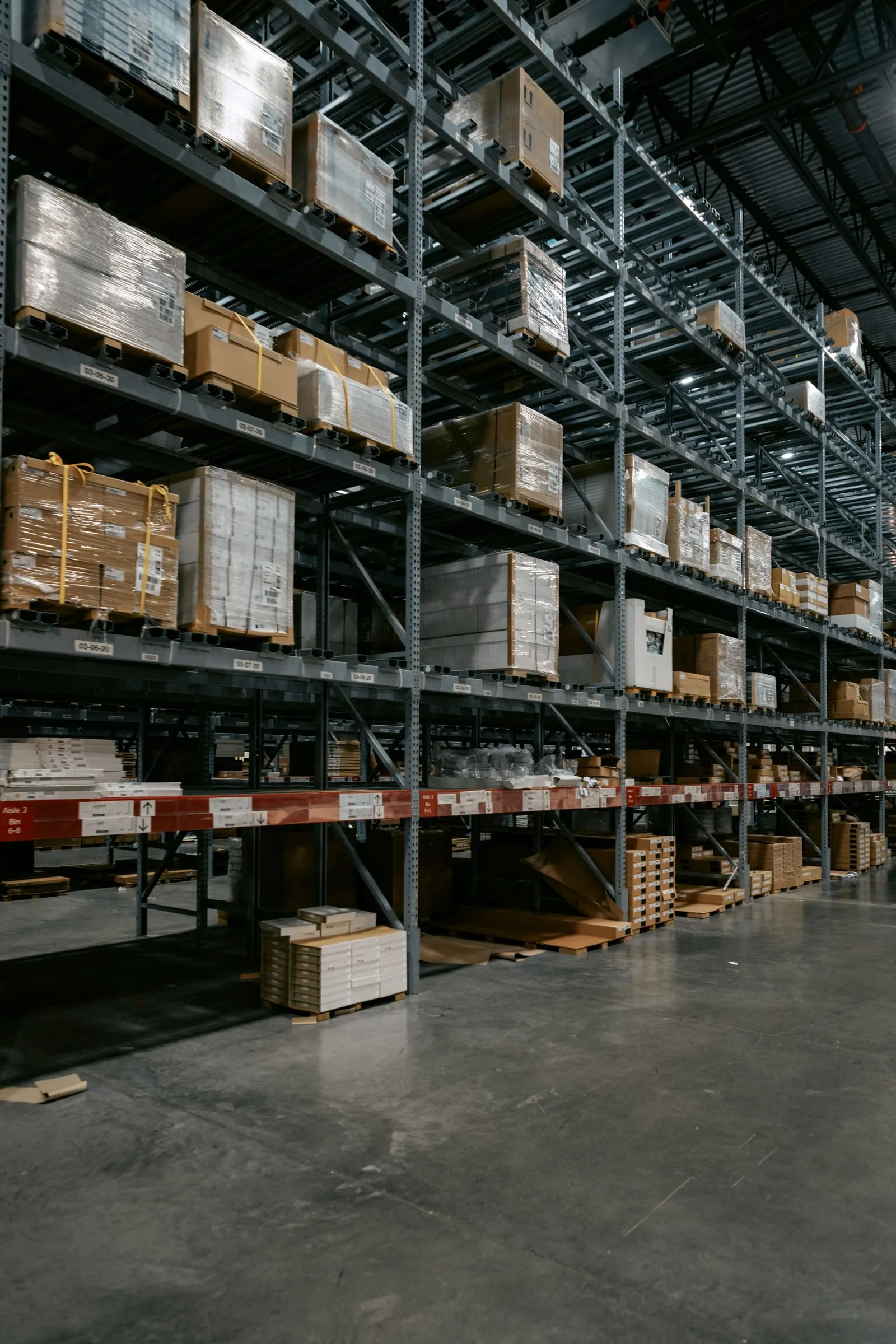
ADI investigation · January 2024
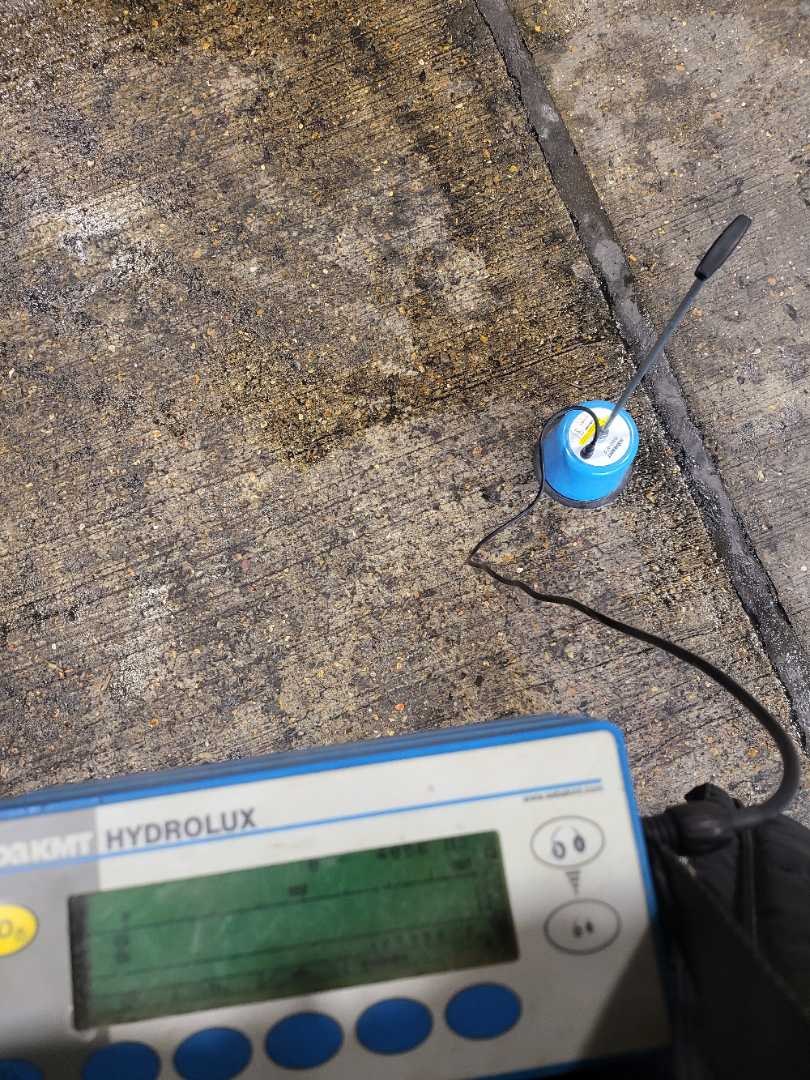
Booking notes reported water rising through warehouse slabs. The engineer found pooled water in and around the boiler room, flowing from a higher level. The affected main supplied a sprinkler riser.
The supply could not be isolated, preventing air-pressure and tracer-gas testing. The engineer traced the route with pipe-locating equipment and used acoustic listening to investigate. Several areas produced irregular readings. The report attributed failure of the iron supply to deterioration.
The report recommended renewing the supply from further up the yard to a new riser position in the boiler room. The customer was to arrange repairs. Completed renewal, a successful retest and sprinkler-system approval were not documented.
Warehouse leak detection servicesChoose the affected part of your site for service details and investigation options.
Investigate suspected leaks beneath concrete or tarmac, including incoming mains and branches serving other buildings.
Water mains investigationsTrace roof and rooflight leaks above stock, with findings for your roofing contractor. Roof repairs are outside this service.
Roof and rooflight surveysInvestigate leaks from washrooms, kitchens and concealed supplies affecting offices or welfare areas.
Welfare and washroom leaksInvestigate repeated top-ups and losses from heating or hot-water pipework.
Heating leak detectionCheck suspected leaks on machinery and wash-down supplies, with access and any shutdown agreed before testing.
Process and machinery feedsInvestigate standing water around loading areas to distinguish drainage problems from leaking supplies.
Drainage investigationsProvide supply plans, meter details and access requirements. Identify supplies that serve fire protection or cannot be isolated. Work affecting fire protection requires coordination with the responsible site team and specialist contractor.
Provide the postcode, meter readings and symptoms. Photographs and a record of when water appears help define the survey and quote.
Identify a site contact and any induction or permit requirements. Agree access to the meter, plant rooms, adjoining units and the affected part of the yard.
Commercial work includes a risk assessment and method statement. The engineer reviews symptoms and available pipe plans with the site contact.
Circuits are checked separately where possible. The engineer combines suitable detection methods and agrees any temporary water or heating isolation with the site.
The report records evidence, photographs and recommendations for the maintenance team, landlord or insurer.
Pipework and drainage repairs can be quoted. Roof and building-fabric defects are located and reported for the appropriate contractor to repair.
The case above explains the methods available on one visit. Your survey may need different tests, depending on the suspected source and the restrictions on the system.
Traces the route of a buried main before anything is dug. It established where the affected supply ran across the yard on the visit above.
Amplifies water escaping from a pressurised main beneath concrete or tarmac. Several areas gave irregular readings here rather than one clear position.
Both need the affected section isolated. Neither could be used at this warehouse because the supply feeding the sprinkler riser could not be shut off.
Records surface temperature differences across a slab or wall, which can narrow the search before any breaking out is considered.
Show how far water has spread through a floor or structure, which helps separate a rising supply leak from surface water or wash-down.
Survey a gully, interceptor or chamber from the inside, which separates a drainage fault from a leak on the incoming supply.
Survey planning depends on building use, access restrictions and shared services.
Racking and vehicle movements can restrict access. Identify safe aisles, affected stock and suitable working times.
Water feeds, wash-down points and heating circuits may cross several work areas. A maintenance contact familiar with isolation points helps plan testing.
Shared meters and pipework may require access to adjoining units. Arrange this with the landlord or managing agent and provide supply drawings where available.
Shared drainage, multiple tenants and separate meters affect survey access. Identify affected units and services, and confirm who can authorise isolation.
Warehouse Leak Detection, a specialist service from ADI Leak Detection. ADI started in 2011 and has more than twenty-five leak investigation engineers across England, Scotland and Wales. Operators with sites up and down the country can use one provider and one report format for all of them.
Selected excerpts from five-star reviews of ADI’s wider service across the UK.


Read the full review“James couldn’t have been more helpful. Full of information and wouldn’t hesitate to use ADI , or him again”
Read the full review“He successfully repaired the leak and had finished the whole job within 2 hours.”
Identify shared or fire-protection connections before the survey. Isolation restrictions may prevent pressure or tracer-gas testing, as the London case demonstrates. The engineer selects suitable alternatives. Do not isolate a sprinkler supply yourself to prepare for a visit.
No completed replacement is documented. Renewal was recommended and the customer was to arrange repairs. The record does not confirm a repaired, retested or approved sprinkler system.
Yes. Coverage includes the 32 boroughs of the ceremonial county of Greater London. Provide the full postcode and site details to confirm survey requirements and availability.
Some tests require temporary water or heating isolation and a safe working area. Provide delivery schedules, forklift routes and details of processes that depend on the supply. Testing arrangements are agreed with the site contact.
Yes. Acoustic listening, tracer gas, pressure testing and thermal imaging can help locate concealed leaks before an area is opened. The methods depend on the pipe material, depth, access and conditions on site. Any excavation or repair is discussed and quoted as appropriate.
Provide pipe drawings and recent meter readings, identify stopcocks and arrange access to relevant units. Confirm shared supplies and who can authorise isolation. Check ownership and lease responsibilities with the landlord or managing agent.
ADI supplies findings, photographs and recommendations for landlords, insurers and repair contractors. Claim acceptance depends on the policy and insurer; the survey does not guarantee cover.
ADI investigates roof and building-fabric leaks and reports the findings for your roofing contractor. Roof repairs are not part of this service. Pipework and drainage repairs can be quoted separately where appropriate.
Pricing depends on the suspected leak, site size, access and required equipment. Provide the postcode and symptoms for a quote and current availability. No fixed county-wide price or arrival time is promised.
Provide the site postcode, recent meter readings and symptoms to confirm survey access, availability and a quote.
